Europe
NATO sends patrol aircraft and radars to the Black Sea after drone attacks on merchant ships
Kallas speaks of “six attacks in ten days” by suspected Russian drones; at least 23 sailors have been reported dead or missing.
By ANN Newsroom · Newsroom
October 20, 2026, 16:30 · Updated 12:22 · 1 min read
In brief
- NATO announced the deployment of maritime patrol aircraft, radars, explosives teams and intelligence personnel to the Black Sea.
- Several merchant ships have been hit off the coasts of Romania and Bulgaria; analysts blame Russia, which denies it.
- Kaja Kallas calls the situation a dangerous and unacceptable escalation.
NATO will step up its presence in the Black Sea after a string of deadly drone attacks on merchant ships. Alliance spokesman Col. Martin O’Donnell said Tuesday that allies have sent or will send maritime patrol aircraft, radar systems, explosives analysis teams, as well as drones and intelligence personnel.
According to him, the priority is to increase “situational awareness” in the region through more sensors and data sharing. The decision was announced after a discussion on Black Sea security at the North Atlantic Council, at NATO headquarters in Brussels.
The string of attacks
On Oct. 5, Romania reported two dead after a ship caught fire and sank. Last week, seven sailors were reported missing after drones struck two chemical tankers off the Romanian coast. On Oct. 14, suspected Russian drones hit two cargo ships near Bulgaria, one of which sank, leaving 11 sailors missing. In total, at least 23 sailors have been reported dead or missing.
Neither NATO nor Romania and Bulgaria have officially attributed the attacks to any state. Military analysts say they were almost certainly carried out by Russia, while Moscow has not admitted responsibility.
Kallas: A risk to global food supplies
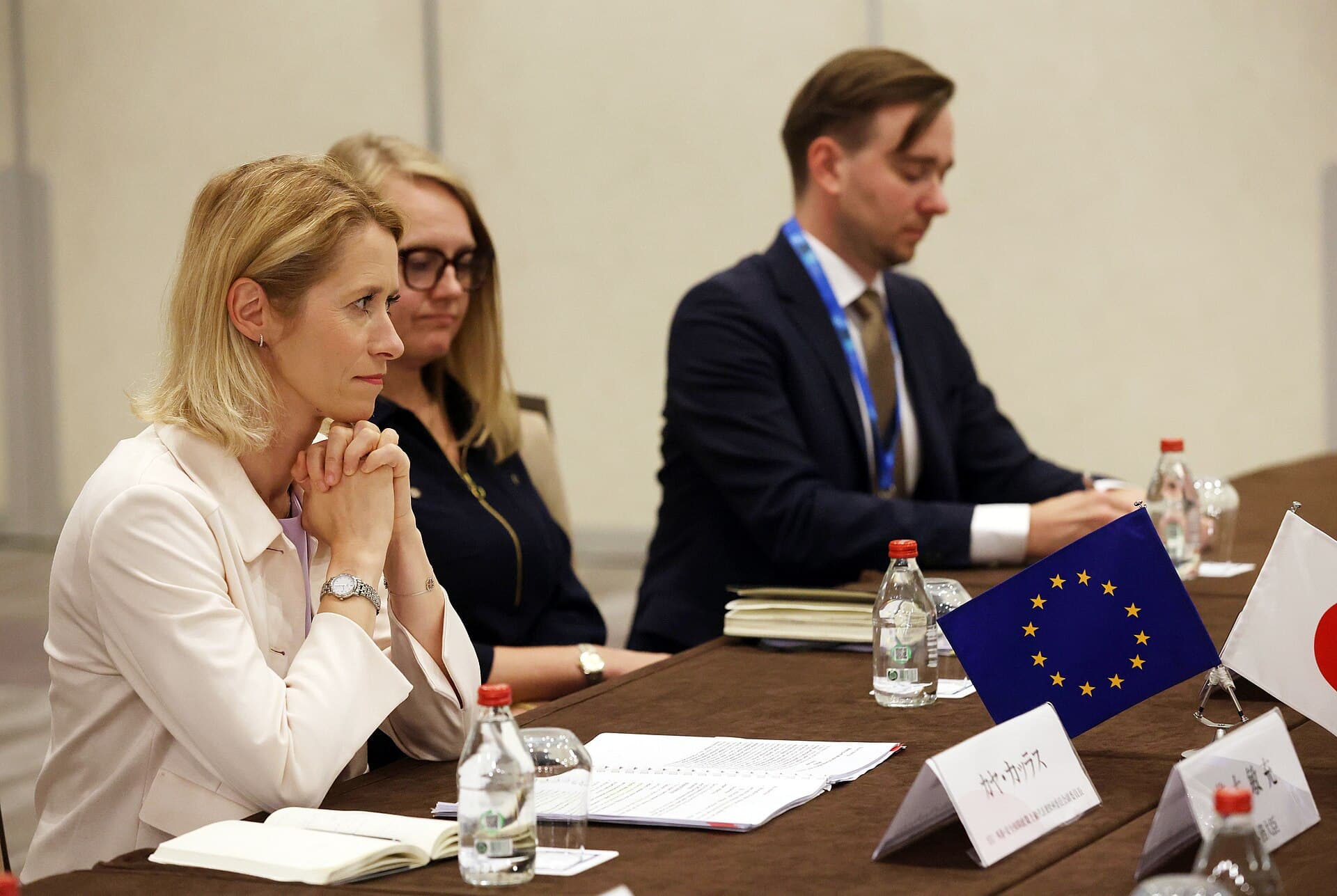
The EU's High Representative for Foreign Affairs, Kaja Kallas, said “six attacks in ten days by suspected Russian drones” amount to a dangerous and unacceptable escalation. According to her, the Kremlin aims to cut off Kyiv's revenue from grain exports. She warned of a “perfect storm” for global food supplies, which are already under pressure from droughts and the war in the Middle East.