Markets
Euro regains a little ground at 90.74 lek on Friday, a day after a record low of 90.64
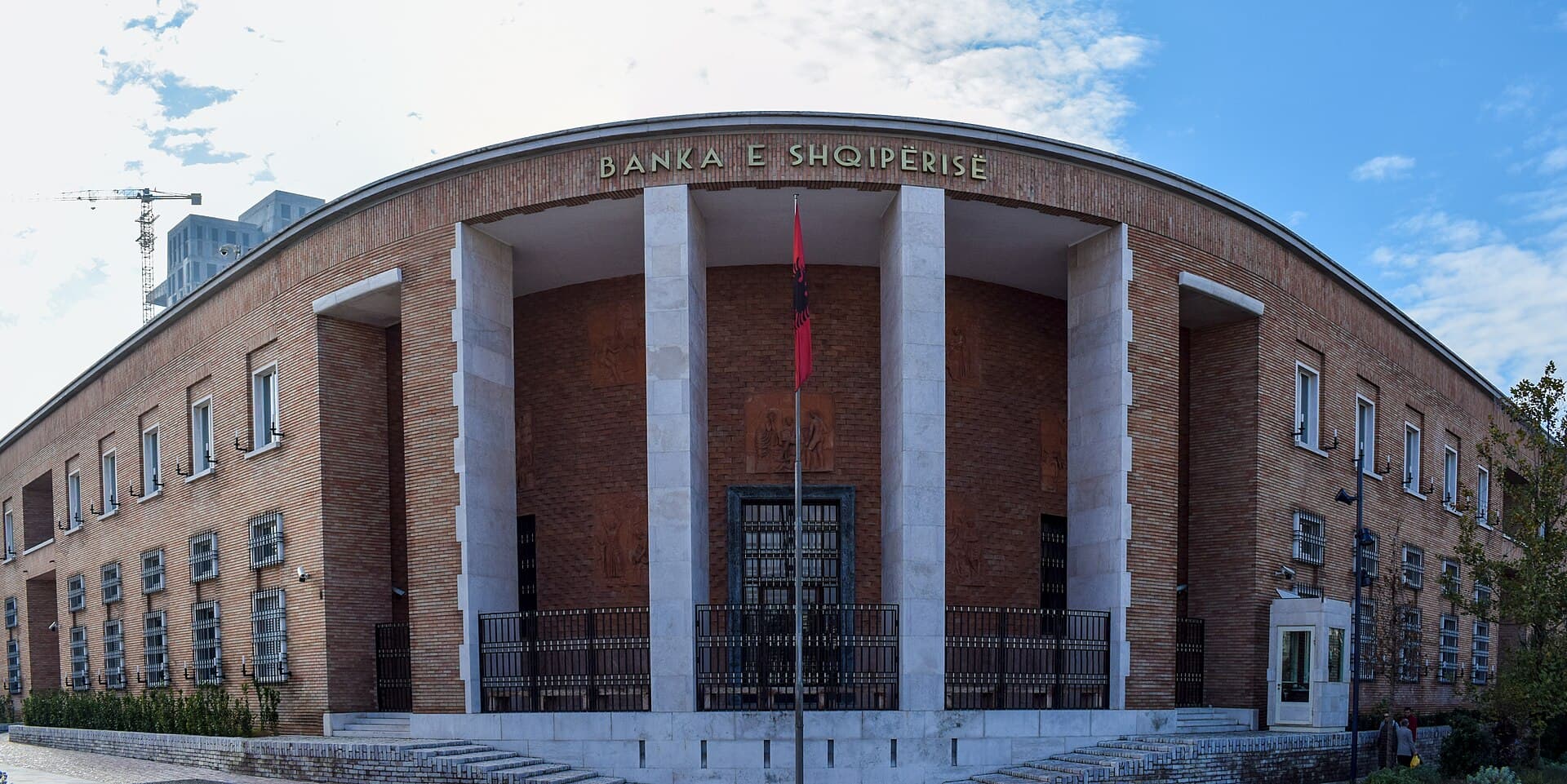
The Bank of Albania's official rate put the euro at 90.74 lek on Oct. 23, 10 qindarka higher than on Thursday. Over the week the European currency lost 36 qindarka.
By ANN Newsroom · Newsroom
October 23, 2026, 13:00 · Updated 18:46 · 2 min read
In brief
- The Bank of Albania fixed the euro at 90.74 lek on Friday, up from 90.64 lek a day earlier.
- Thursday marked the lowest level ever recorded for the euro at the official rate.
- Since the first fixing of the year, 96.64 lek on Jan. 5, the euro has depreciated by about 6.1%.
The euro traded at 90.74 lek on Friday at the Bank of Albania's official rate, a slight recovery of 10 qindarka from Thursday, when the European currency fell to 90.64 lek, the lowest level recorded to date. The small move does not change the overall picture: the lek remains at the peak of its strength against the euro.
A week of steady decline
The week began with the euro at 91.10 lek on Monday, but by Tuesday the rate had dropped below the psychological threshold of 91 lek, to 90.77. On Wednesday the euro was fixed at 90.74 lek, on Thursday at 90.64, and on Friday it returned to 90.74. In total, over the five working days the European currency lost 36 qindarka.
Compared with the first fixing of the year on Jan. 5, when the euro was worth 96.64 lek, the decline comes to about 6.1%. That means that for every 100 euros, a family receiving remittances or an exporting business now gets about 590 lek less than at the start of the year.
The dollar and other currencies
The U.S. dollar was quoted on Friday at 81.03 lek, up from 80.73 lek a day earlier. The British pound was fixed at 108.39 lek and the Swiss franc at 98.54 lek. On the interbank market, the average bid price for the euro was 90.37 lek and the average ask price 91.09 lek, according to central bank data.
The strengthening of the lek, which economists have for months linked to high foreign-currency inflows from tourism, remittances and real estate investment, gives consumers slightly cheaper imports but puts pressure on exporters, garment subcontractors and tour operators, whose costs are in lek and revenues in euros.