Books
155 years since Fishta's birth: Rudolf Marku, Flutura Açka and Agron Tufa win literary prizes in Lezha
The fifth edition of the prizes named after the poet drew 83 works; Zef Përgega receives the new “Gjurmë Fishtjane” award for “Epika Malësore.”
By ANN Newsroom · Newsroom
October 23, 2026, 21:30 · Updated 18:46 · 2 min read
In brief
- This year's competition drew 83 works of poetry, prose and translation by authors from Albanian lands.
- The jury, chaired by Preç Zogaj, honored Rudolf Marku, Flutura Açka and Agron Tufa.
- Events were held in Lezha throughout the day in honor of the “Homer of Albanian letters.”
On Oct. 23, Lezha became a meeting point for Albanian writers, poets and scholars on the 155th anniversary of the birth of Father Gjergj Fishta, with the fifth edition of the literary prizes bearing the national poet's name. This year's competition drew 83 works by authors from Albanian lands, in three categories: poetry, prose and translation.
The winners
The jury, chaired by writer Preç Zogaj, with members Suela Mino and Gani Mehmetaj, gave the prize for best poetry collection to Rudolf Marku, while Flutura Açka was honored for prose. In the translation category, the prize went to Agron Tufa for the novel “The Foundation Pit.” New this year was the “Gjurmë Fishtjane” (Fishta's Footprints) award, for works that keep a connection with Fishta's writing and legacy, which went to Zef Përgega for the book “Epika Malësore.”
A day for the “Homer of Albanian letters”
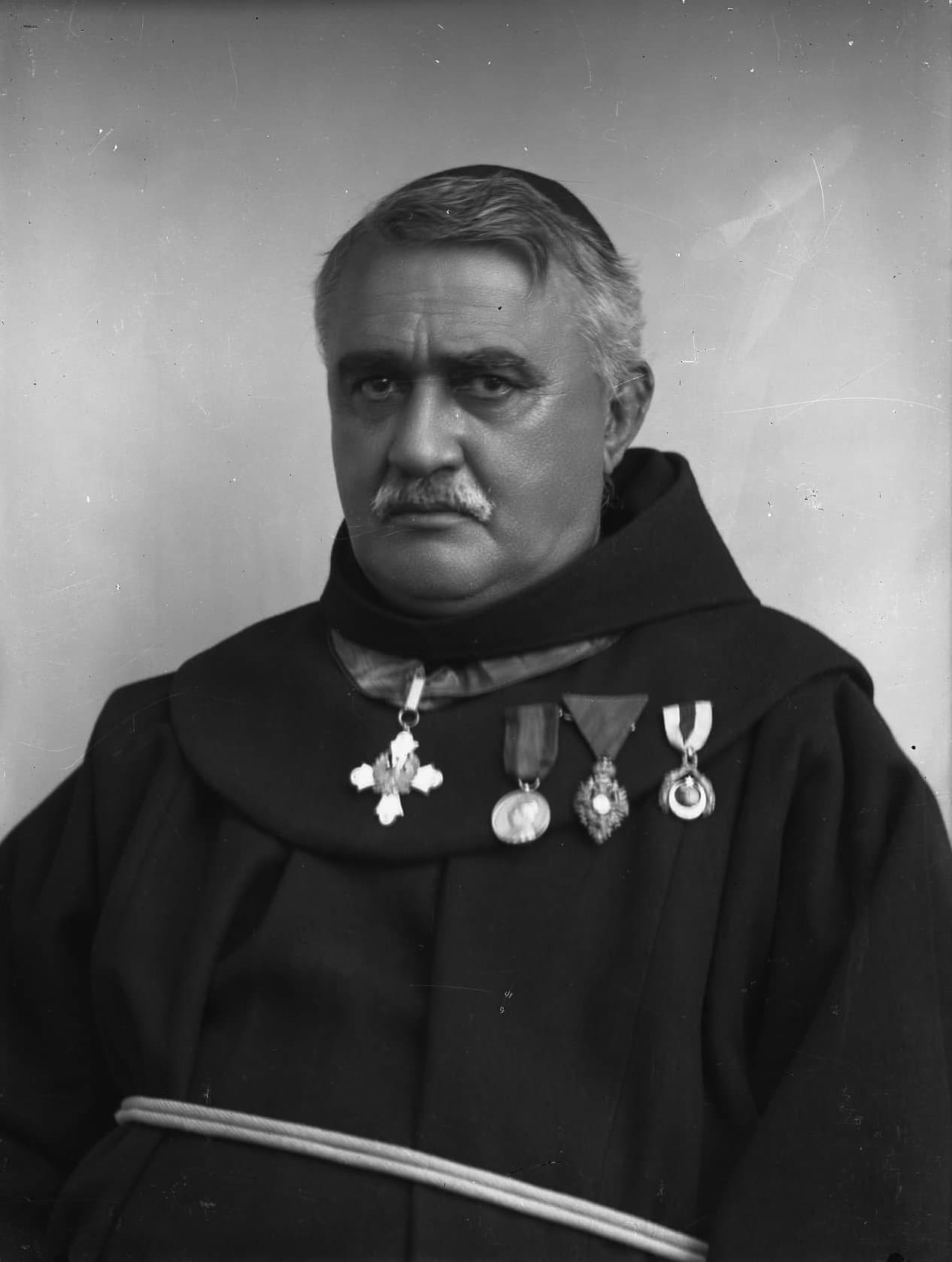
During the day, the “Gjergj Fishta” Public Library in Lezha held events with books and exhibitions on the poet's life and work. Fishta was born on Oct. 23, 1871, in Fishtë and was educated at the Franciscan seminary in Shkodra and in Bosnia. He was the first Albanian director of the Franciscan School, chaired the Alphabet Commission at the Congress of Manastir and in 1913 founded the magazine “Hylli i Dritës.”
In 1920 he was secretary-general of the Albanian delegation to the Paris Peace Conference and that same year was elected a member of parliament for Shkodra. The work that immortalized him is the epic “Lahuta e Malcís” (The Highland Lute), to which he devoted 40 years. He died in Shkodra on Dec. 30, 1940. The anniversary comes a few days after the “Lahuta e Malësisë” monument in Lezha was damaged earlier this week.