Kosovo
Kosovo at risk of losing another 90 million euros from EU Growth Plan, with 23 reforms outstanding
After losing 40 million in June, Pristina has about two months to pass 16 laws and meet the conditions.
By ANN Newsroom · Newsroom
October 20, 2026, 09:00 · Updated 12:21 · 1 min read
In brief
- Kosovo lost 40 million euros in June because of delays in reforms after the political crisis.
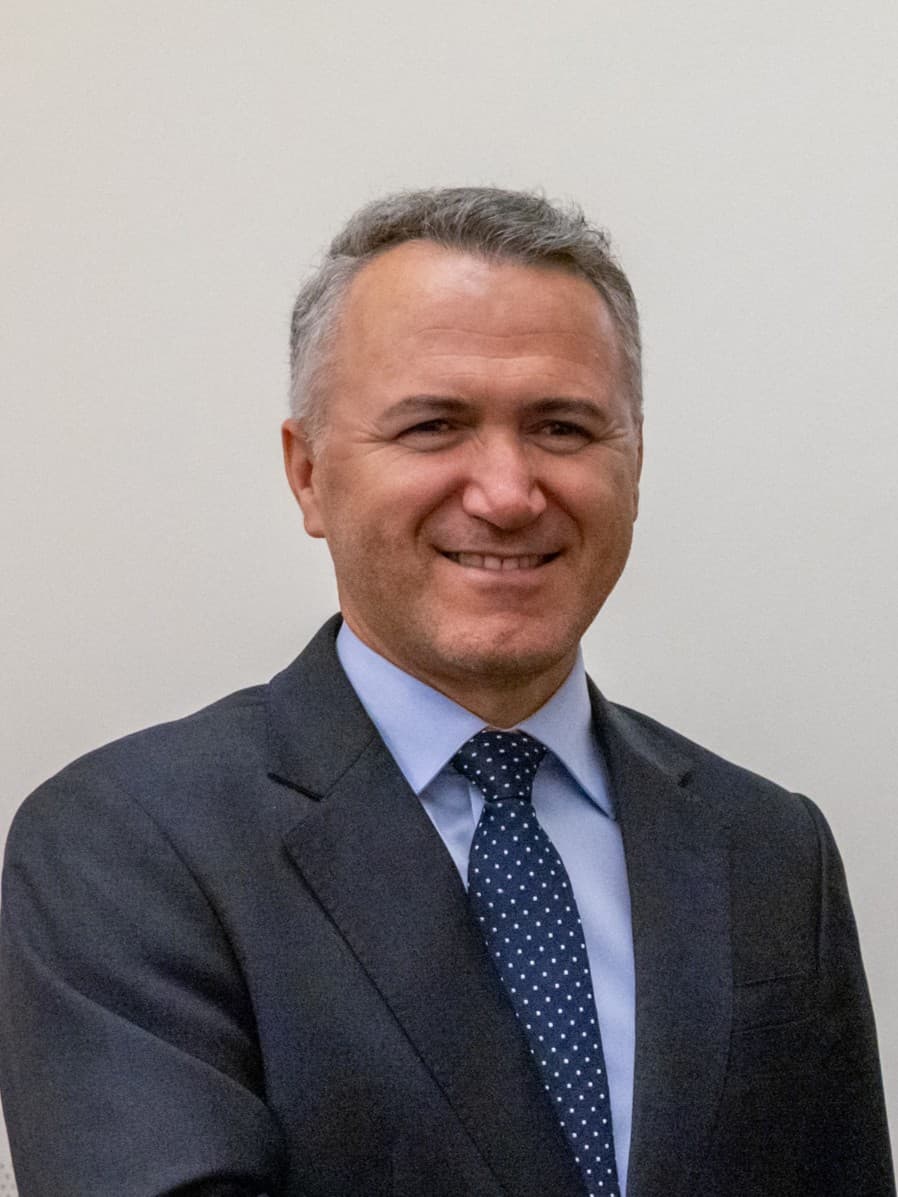
- Chief EU negotiator Jeton Zulfaj says the deadline for the remaining reforms is the end of December.
- Of the 882.6 million euros allocated to Kosovo, 61.8 million, about 7%, has been received so far.
After nearly two years of political deadlock, Kosovo risks losing even more money from the European Union's Growth Plan for the Western Balkans. According to an analysis by BIRN, the country lost 40 million euros in June and now risks losing more than 90 million more, with 23 reforms still unimplemented and about two months left.
The 6 billion euro Growth Plan for 2024–2027 funds countries based on performance. Kosovo has been allocated 882.6 million euros but so far has received only 61.8 million as pre-financing. Chief EU negotiator Jeton Zulfaj said all reforms must be completed by the end of December. He said securing votes in Parliament, especially for some laws, remains a challenge.
16 laws by December
Parliament passed, with difficulty and after three failed attempts, the anti-money laundering law, a key step toward joining the Single Euro Payments Area (SEPA). Not being in SEPA costs citizens about 55 million euros a year. Another 16 laws must be passed by December.
In July Kosovo submitted its first formal request for 142.6 million euros, which the European Commission is assessing; the amounts are expected to be clarified by the end of October. The Commission has stressed that implementation in the region is uneven and that Kosovo and Serbia are moving more slowly. The funds withdrawn from Kosovo and Bosnia, 140 million euros, remain in the region but have been moved to a European Innovation Council window for the Western Balkans.
The Prime Minister's Office says important reform agendas have been approved and that implementation is accelerating. Civil society experts, meanwhile, describe the loss of funds as unaffordable for one of Europe's poorest countries and are calling for faster decision-making.