US
U.S. Embassy accuses Canada of meddling in midterm elections; Joly: We would never interfere
A fact sheet from the embassy in Ottawa names Minister Mélanie Joly, Ontario Premier Doug Ford and a Liberal MP, while Canada rejects the accusations.
By ANN Newsroom · Newsroom
October 21, 2026, 18:00 · Updated 12:23 · 1 min read
In brief
- The U.S. Embassy in Canada published a fact sheet accusing Canadian politicians of trying to influence the Nov. 3 elections.
- The examples cited include Minister Mélanie Joly’s meetings with Democrats and the Ontario government’s anti-tariff campaign.
- Joly denied any interference, saying her meetings were aimed at attracting investment.
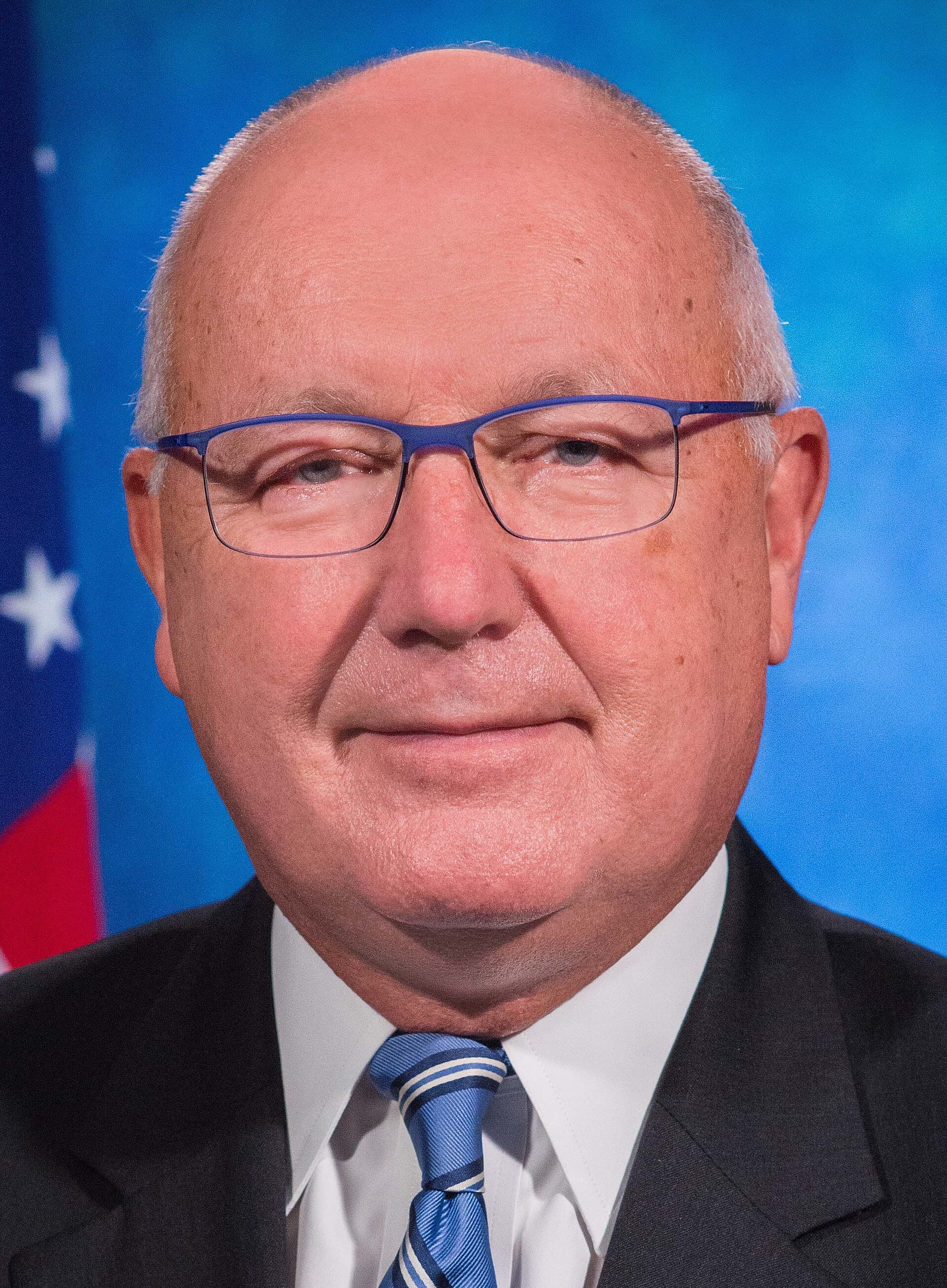
The United States on Wednesday accused Canada of trying to influence the Nov. 3 U.S. midterm elections. The accusation came in a fact sheet published by the U.S. Embassy in Canada, a week after Ambassador Pete Hoekstra had warned that Washington was watching Canada closely and would respond if its activity turned into election interference.
What the embassy cites
The document cites Canada’s response to Trump’s tariffs, including public statements that, according to the embassy, were meant to influence voters. It mentions Industry Minister Mélanie Joly’s August comments about targeting products from certain U.S. states, as well as her September meetings with Democratic officials in Boston and Chicago. Also on the list are Ontario Premier Doug Ford and his government’s anti-tariff campaign, as well as Liberal MP Anthony Housefather, who campaigned in Florida for Democrat Debbie Wasserman Schultz.
The fact sheet also mentions 11 Canadians charged with or convicted of illegal voting in U.S. elections between 2012 and 2024, but presents no evidence linking them to any Canadian government effort. “Americans decide America’s elections,” the statement says.
Ottawa’s response
Joly rejected the accusation, saying Canada would never interfere in U.S. elections and that her meetings with Democrats and Republicans were about attracting investment. Prime Minister Mark Carney had said earlier that Canada expects foreign governments, including the U.S., to stay out of its elections.
The two countries have been locked in a trade war since the start of Trump’s second term in 2025. Tensions also rose after reports that Alberta separatist leaders sought support from U.S. administration officials ahead of a referendum in which voters rejected separation from Canada.