Heritage
Geophysical survey in Trojas, Belsh: specialists search for archaeological structures underground
The Institute of Cultural Heritage and the Faculty of Geology and Mining aim to pinpoint areas with archaeological potential ahead of future excavations.
By ANN Newsroom · Newsroom
October 21, 2026, 14:18 · Updated 12:25 · 1 min read
In brief
- The IKTK and the Faculty of Geology and Mining carried out geophysical measurements in the village of Trojas in Belsh.
- The goal is to identify anomalies and possible structures preserved underground.
- The results will serve as the basis for guiding future fieldwork.
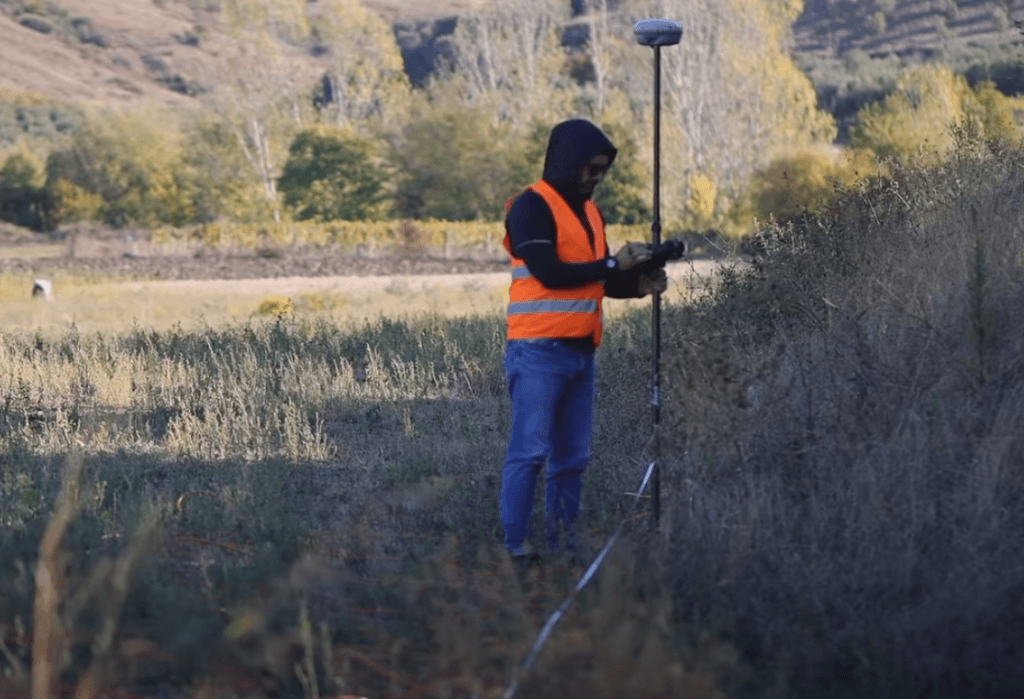
Specialists from the Institute of Cultural Heritage (IKTK), together with the Faculty of Geology and Mining of the Polytechnic University of Tirana, have carried out geophysical measurements in the village of Trojas in Belsh, with the aim of further studying archaeological traces in the area, ATSH reported Wednesday.
The work follows the earlier identification of archaeological ruins in Trojas by IKTK specialists. The Minister of Tourism, Culture and Sports, Blendi Gonxhja, said the new intervention is a continuation of those efforts.
How the method works
Geophysical measurements allow researchers to “see” below the surface without digging. They reveal anomalies, that is, changes in the composition of the subsoil that may indicate walls, foundations or other man-made structures. In this way, areas with archaeological potential can be identified more precisely and possible structures documented before any excavation begins.
For archaeologists, this preliminary phase has practical importance: instead of digging test pits across the entire area, excavations can be concentrated only where the data indicate the possible presence of structures. This saves time and money and better protects the site itself.
According to the announcement, the results of the measurements will be used as a basis for guiding future fieldwork. No concrete findings from this round of measurements have been made public so far.
Dumrea, an area rich in history
Belsh lies in the Dumrea area of central Albania, a region known for its karst lakes and for traces of ancient settlements. Collaboration between archaeologists and geologists has become increasingly common in Albania because it helps excavations be better planned from the outset.